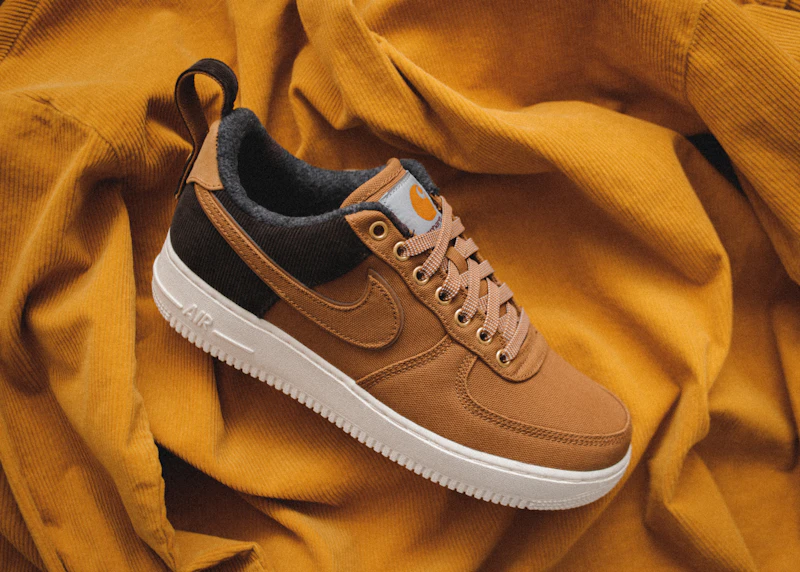



Why Your Running Shoes Matter More Than You Think
Whether you are jogging around Hatirjheel in the morning, hitting the stadium tracks in Chattogram, or embarking on everyday fitness strolls, selecting the right pair of running shoes directly determines your joint health, posture, and endurance.
Every stride delivers an impact equivalent to two to three times your body weight onto your feet, ankles, and knees. Wearing substandard or poorly fitted footwear often leads to plantar fasciitis, shin splints, and unnecessary muscle fatigue.
Pro Tip for Bangladeshi Climates
Humidity and high pavement temperatures accelerate rubber wear. Always prioritize shoes constructed with engineered breathable jacquard mesh and high-density EVA or blown rubber outsoles for superior ventilation and grip.
Key Factors to Consider Before Buying
Before purchasing your next sneakers on Netfie Mart, evaluate these essential factors to match your personal running mechanics:
- Gait Analysis & Pronation: Determine whether you are a neutral runner, overpronator (foot rolls inward), or underpronator (supinator). Overpronators require stability shoes with structured arch support.
- Cushioning Level: From lightweight responsive racing flats to plush maximum-cushioned trainers for high-impact protection on concrete pavement.
- Heel-to-Toe Drop: The difference in height between the heel and forefoot (typically between 8mm to 12mm for standard road trainers).
- Outsole Durability: Solid rubber compounds with multidirectional traction grooves to prevent slippage on wet or uneven tarmac.
Recommended Shoe Types for Daily Workouts
Here is a breakdown of the most common categories you will find in our footwear collection:
1. Daily Neutral Cushion Trainers
Versatile all-rounders designed to absorb everyday road shock while delivering lasting comfort over 500+ kilometers.
2. Structured Stability Trainers
Equipped with medial posting and torsion control plates to keep your stride aligned and eliminate arch strain.
Always measure your foot in the afternoon when feet are naturally slightly swollen, and leave approximately half a thumb width between your longest toe and the front of the shoe.